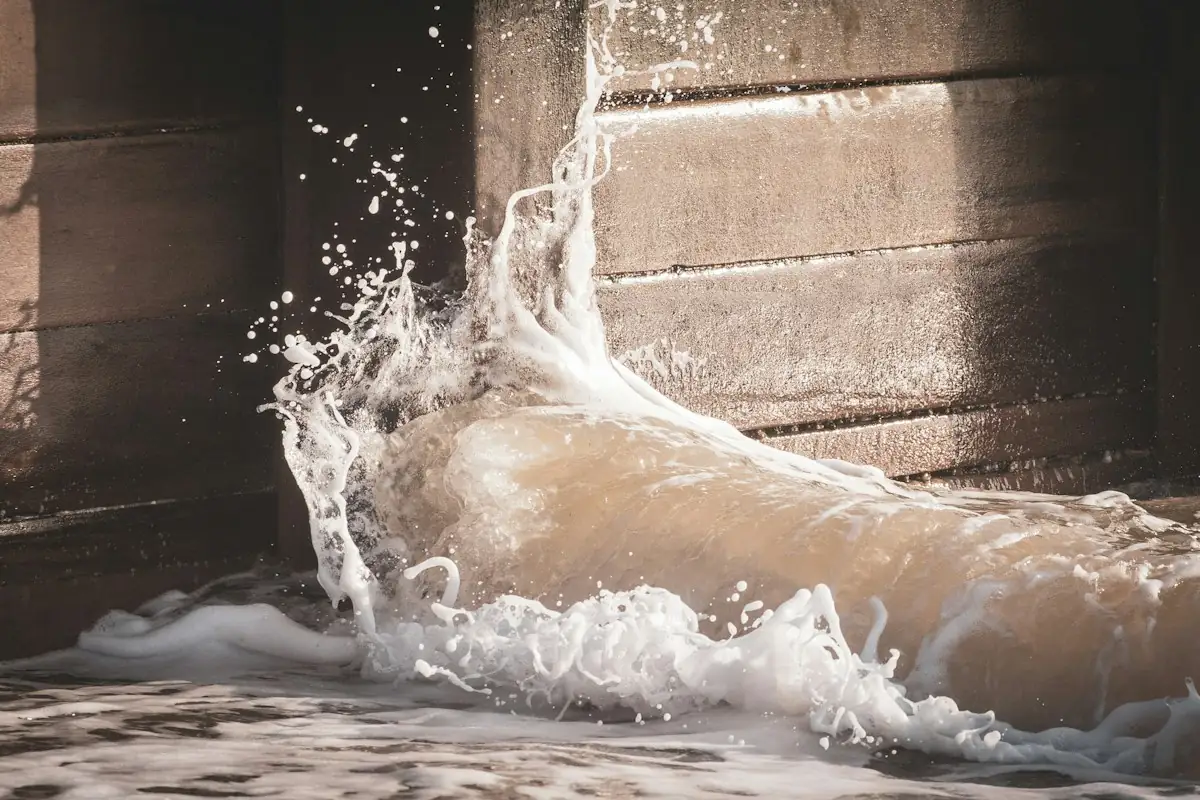
Common sources we trace
- Sewer backup through the floor drain during a storm
- Failed sump pump or a stuck float switch
- Burst pipe in an exterior wall or ceiling
- Water heater tank failure
- Washing machine hose split
The order we work in
- Isolate the source: main shut-off, heater inlet, or the appliance supply.
- Make the space safe; if water reached outlets or the panel, an electrician needs to clear it.
- Clear backed-up drains and confirm the main flows to the city.
- Check the water heater and furnace area for submerged gas controls, which must be replaced, not dried.
- Restore water to unaffected areas.
Sewage versus clean water
Clean water from a supply pipe is unpleasant; sewage water is a health issue. If grey or brown water came up a floor drain, porous materials it touched usually need disposal, and the area needs proper sanitising by a restoration company.
Preventing the next one
Most floods we see could be prevented: a backwater valve, a backup sump pump, braided washer hoses, and a working shut-off. Our guide to basement flood prevention walks through each.
The short version
Tell-tale signs
- White chalky lines and damp along the foundation
- Float stuck against the side of the liner
- Pump cycling over and over through a dry spell
- Pump hums but the pit level never drops
Kit on the van
- Rotary hammer for opening the slab
- Cast-iron submersible pump and a check valve
- Battery backup unit with its own float
- Backwater valve body with a clear lid
How we go about it
- Free the float and wire up the high-water alarm
- Pour in a pail and watch it kick on and shut off
- Unplug and lift the old pump out of the crock
- Scoop silt and gravel from the bottom of the pit
Your questions, answered plainly
Do you do water extraction and drying?
We handle the plumbing; drying out and mould control belong to a restoration firm.
Can I use my water heater after a flood?
Not if its gas control or burner was under water; it must be inspected and the control replaced.