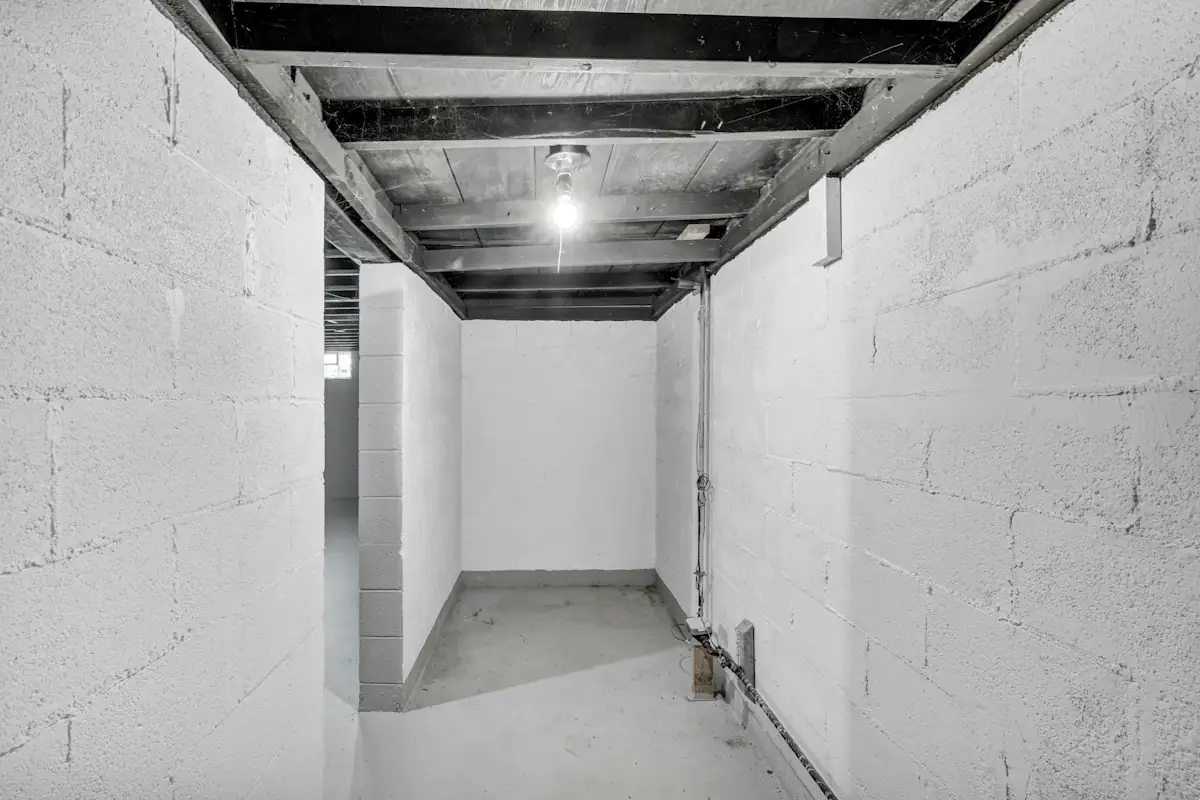
Where to look
- On the basement wall facing the street, where the water line enters
- Beside or just before the water meter
- Tucked beneath the stairs, or behind a hatch where the basement is finished
- In a utility closet in townhouses and condos
Types of valves
Older homes usually have a round-handled gate or globe valve that needs several turns. Newer ones often have a lever-handled ball valve: a quarter turn closes it. When the lever is across the pipe, the valve is closed.
Testing safely
- Turn it slowly to closed.
- Open a tap to check the water stops.
- Reopen slowly.
- If it weeps at the stem afterward, tighten the packing nut a little.
When the main valve will not budge
A gate valve left untouched for decades may be seized, or its stem may snap if forced. In that case, the City's curb stop out by the lot line can isolate the house, but it needs a special key and permission. Better to have us replace the house valve with a quarter-turn ball valve before an emergency.
Fixture valves
Every toilet, sink and appliance should have its own stop. Learn them too. See emergency steps and emergency plumbing.
Keep-handy checklist
- Note where the main cleanout cap is and keep boxes off it
- Turn the main shut-off a quarter each way once a year so it never seizes
- Hang a flanged plunger and a pail beside the basement floor drain
- Shine a light under each vanity and kitchen sink every spring and fall
Your questions, answered plainly
What if my house has no main shut-off?
It should have one. Call us to install one.